The number of authors fascinated by metaphysics and the supernatural never ceases to make me wonder about the relationship between the creative psyche and that vast realm of the imagination.
There are those who immerse themselves in mythical and symbolic riches and create complex fantasy landscapes. I’m not a huge reader of fantasy and can only mention Ursula le Guin’s The Earthsea Trilogy, which I have read and thought amazing.
Others tackle the metaphysical side of reality in more direct ways, taking journeys into the supernatural and occult. Bram Stoker’s Dracula seems a good early example.
There are the magical realists from Jorge Luis Borges on, who include the paranormal in their stories as if it were a given. Isabel Allende’s The House of the Spirits is just one example.
Then there are those who embed their insights to give shape to themes. I think of how Doris Lessing’s interest in Sufism inspired her Canopus in Argos Archives.
And it seems that down the ages many writers, along with artists, composers and scientists have had more than a passing interest in the occult. I found a list on a website of Rosicrucians and was astonished to find Bram Stoker, Isaac Newton, Victor Hugo, Yeats, Satie, Edith Piaf and Walt Disney on the list, along with more obvious suspects, such as Jacob Boehme and Francis Bacon. I have no idea how accurate the list is or how immersed in Rosicrucianism each person listed may have been.
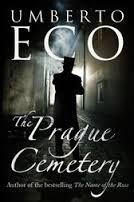
I do know a fair bit about the occult though, or western esotericism as it is more properly called. Which is why I found Umberto Eco’s The Prague Cemetery such a compelling read.
The Prague Cemetery might seem at first like a cook’s tour of the upheavals and power struggles of Europe at the time, written from the perspective of a fierce anti-semite. The basic plot is very simple, the reader uncertain as to whether the protagonist, the repugnant Simonini, has a split personality.
Following Freud’s thinking on the matter, Simonini, who seems to have no idea himself, decides to write a diary to find out. What ensues is a journey through the latter part of he nineteenth century, as Simonini, a master forger of documents, becomes immersed in a web of lies, misinformation, and elaborate inventions of truth designed to discredit the Freemasons and the Jews. Simonini is an unscrupulous psychopath, who works for the secret service of first Italy, then France. What is remarkable is that every other character in The Prague Cemetery existed in reality and all the historical events and those involved are verifiable.
While much has been made of Eco’s fictional depiction of the notorious The Protocols of the Elders of Zion, a complete invention that inspired Hitler decades later, in my view a subtler and more general point is being made.
That behind the scenes of history there are those hard at work creating one conspiracy theory after another, whether in fiction or as apparent fact, in other words conspiring to accuse others of a conspiracy in order to fulfil their own agenda, an agenda as simple as personal greed.
I salute the author for hammering this point. For it is my contention that the ultimate coup of the propagandists today is the discrediting of the very conspiracy theories they themselves have created in order to cement in the zeitgeist the view that all conspiracy thinking is rubbish, thus allowing them a huge freedom to continue to conspire.
Umberto Eco’s interest in western esotericism is well known. Through his fiction he explores this world within the world while keeping himself distant from it. An observer, not a practitioner. A thinker who questions and probes, not an adherent who adopts without question. It is this distance that allows him to write works like The Prague Cemetery.



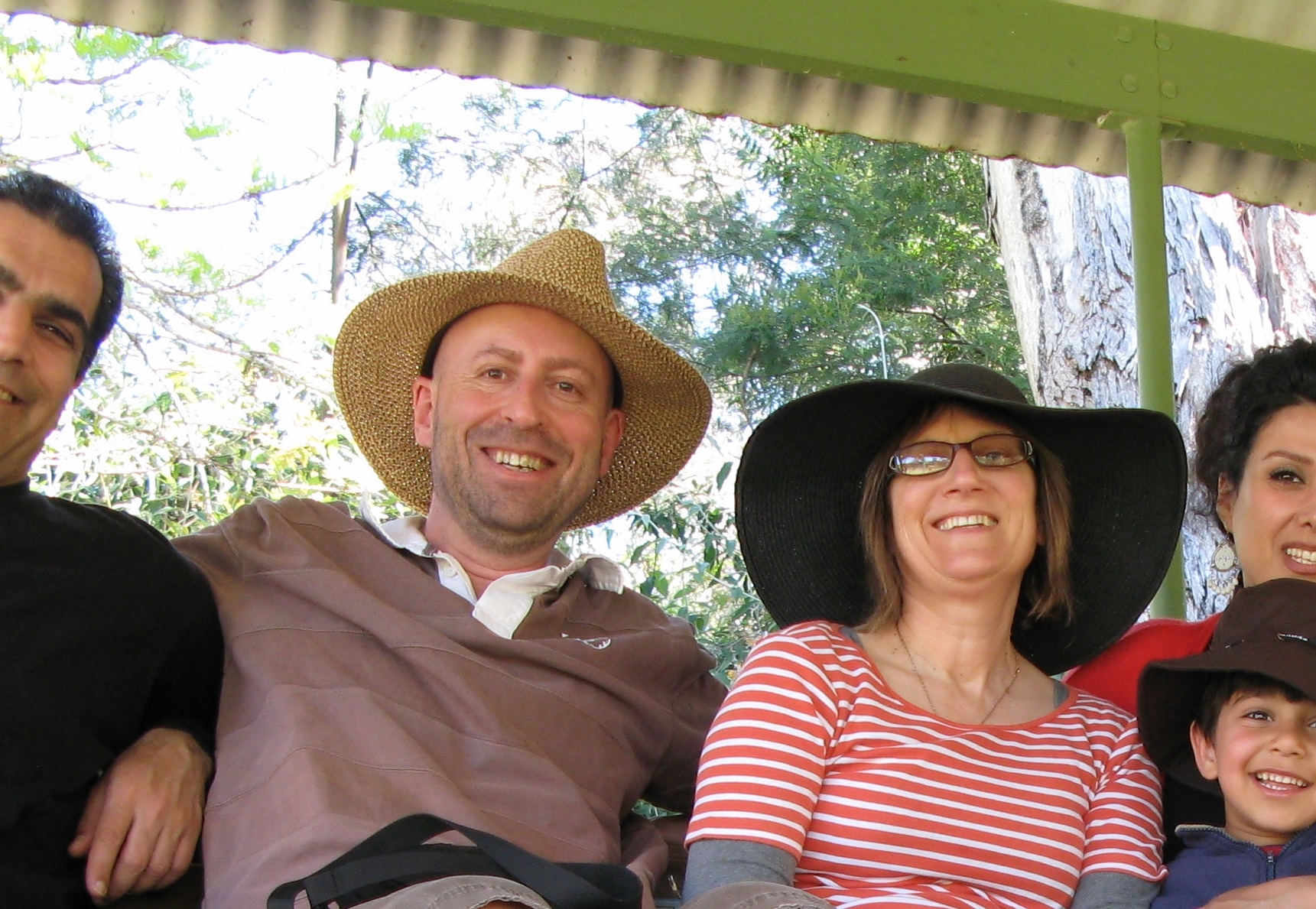
 When Jon asked Mal for his thoughts on the experience, Mal said, ”I like the visit because my wife and I we have found kind new friends, Mr Jon and Mrs Lou. The two weeks have been very good for me and my family, very loving and kind for us and our son. I know I have found good friends and our frienship will last a long time, I would like my new friends to come to my home too.” And his wife, Marni said, ”My husband and I and our son came two weeks ago to see a new family for school holidays. Two families with different languages and different cultures. With our hosts we visted their friends and family, and saw the beaches and beautiful parks and animals. We had picnics with friends and cooked meals together. I am an artist, we talked about painting and learned to understand more. Our hosts gave us time and patience, we were happy all together. Everything is new and very special to us, very nice area, nice people and very friendly. In general, I thank everyone for everything.”
 Isobel Blackthorn